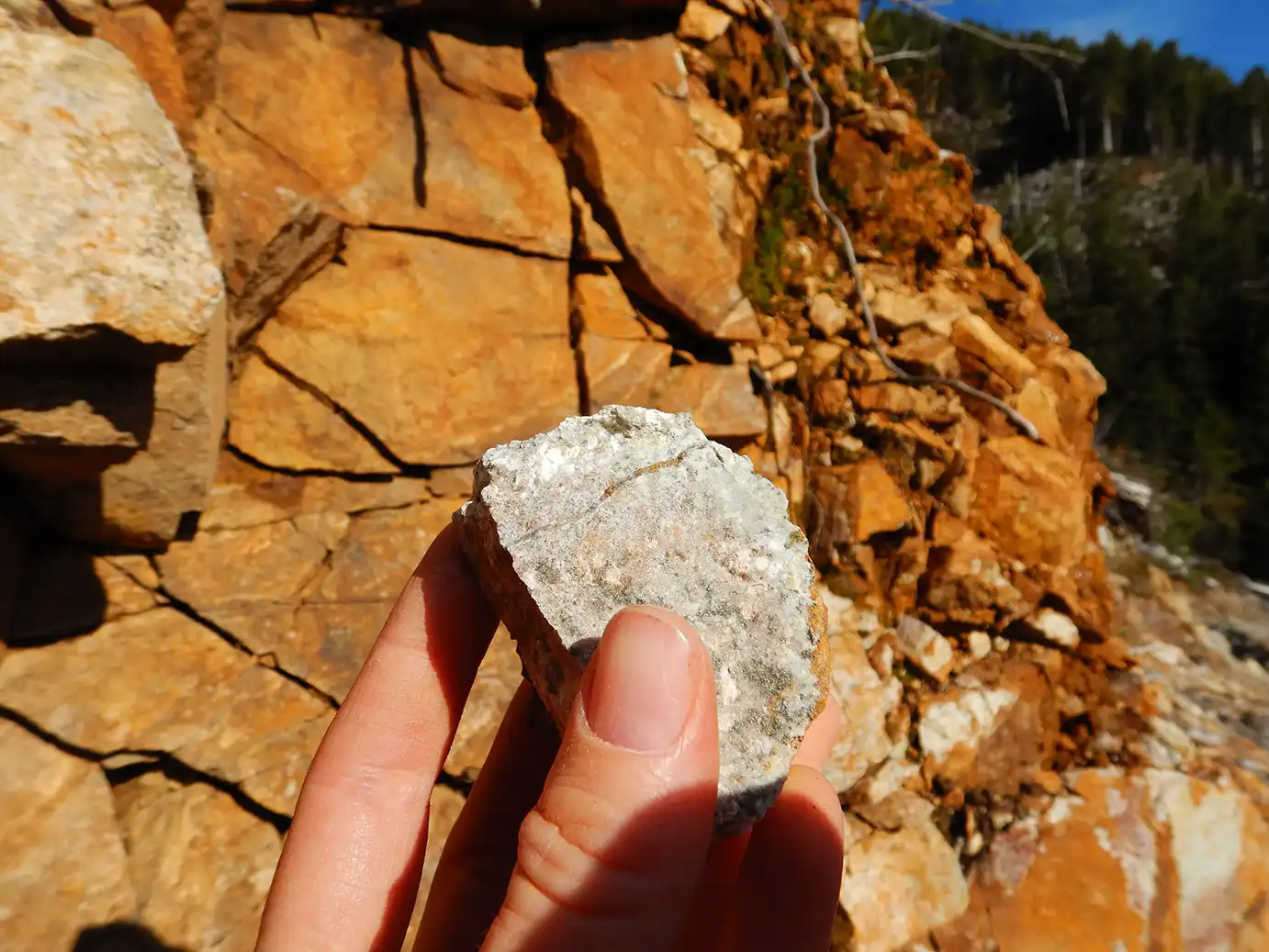
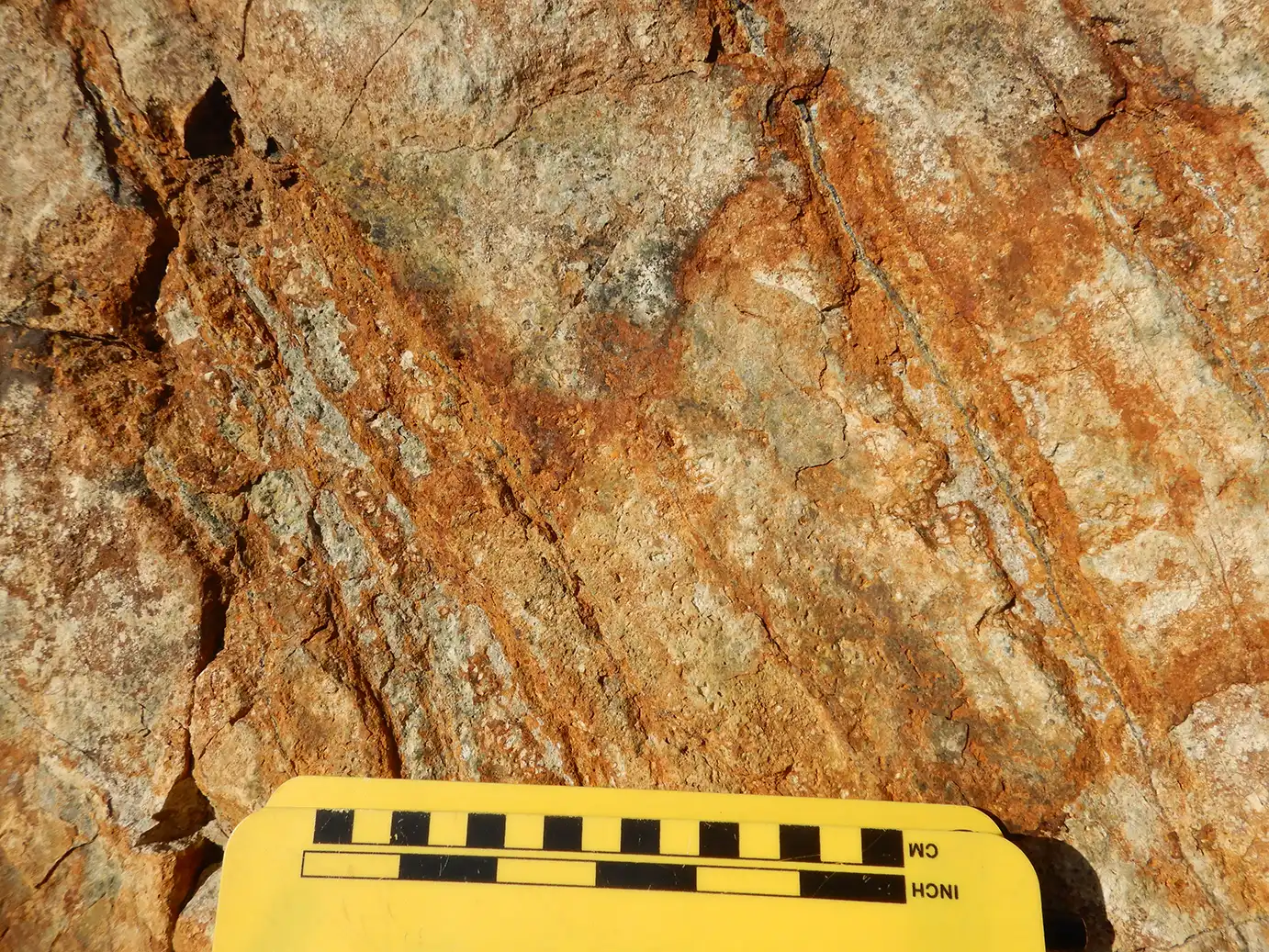
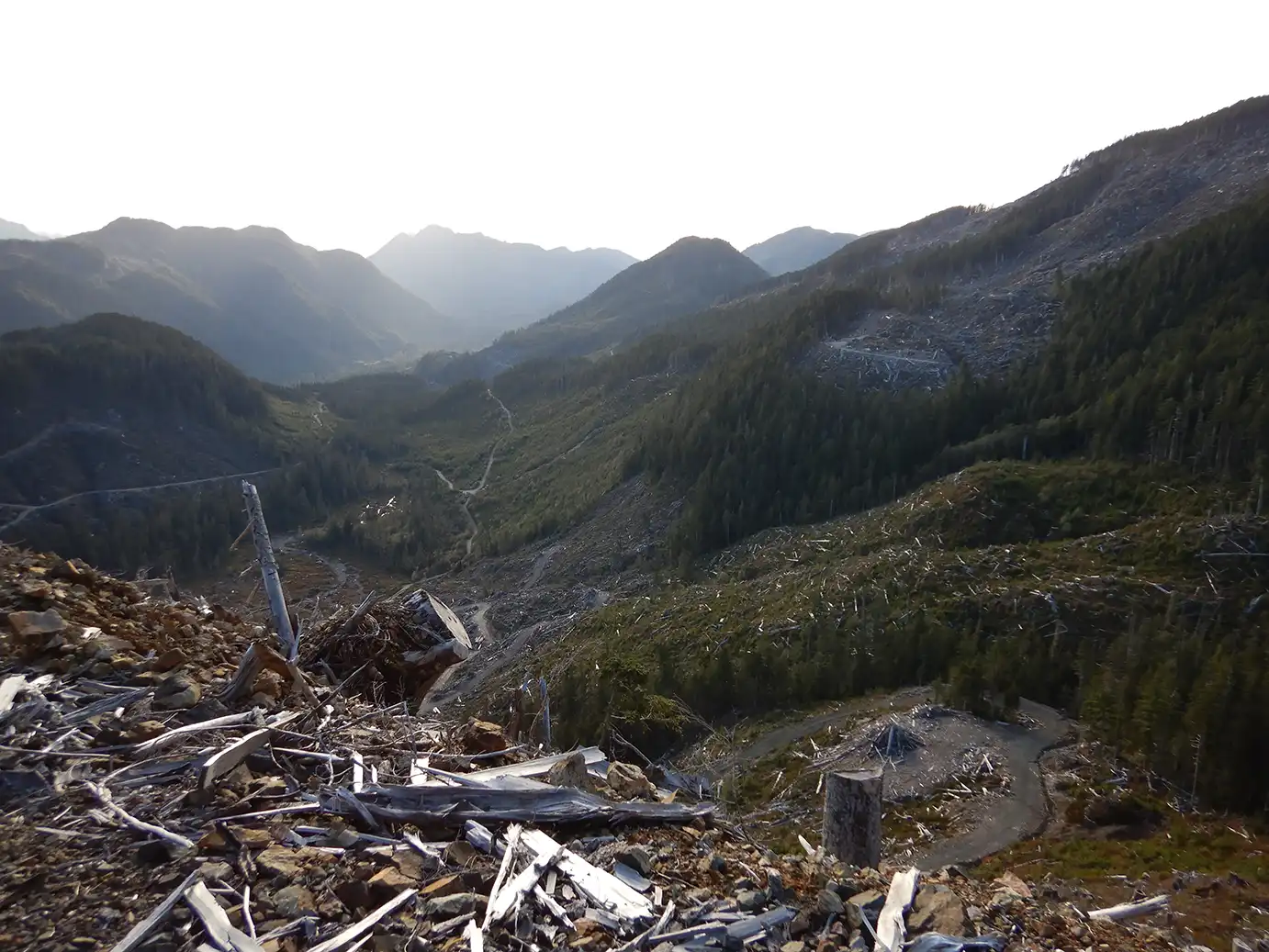
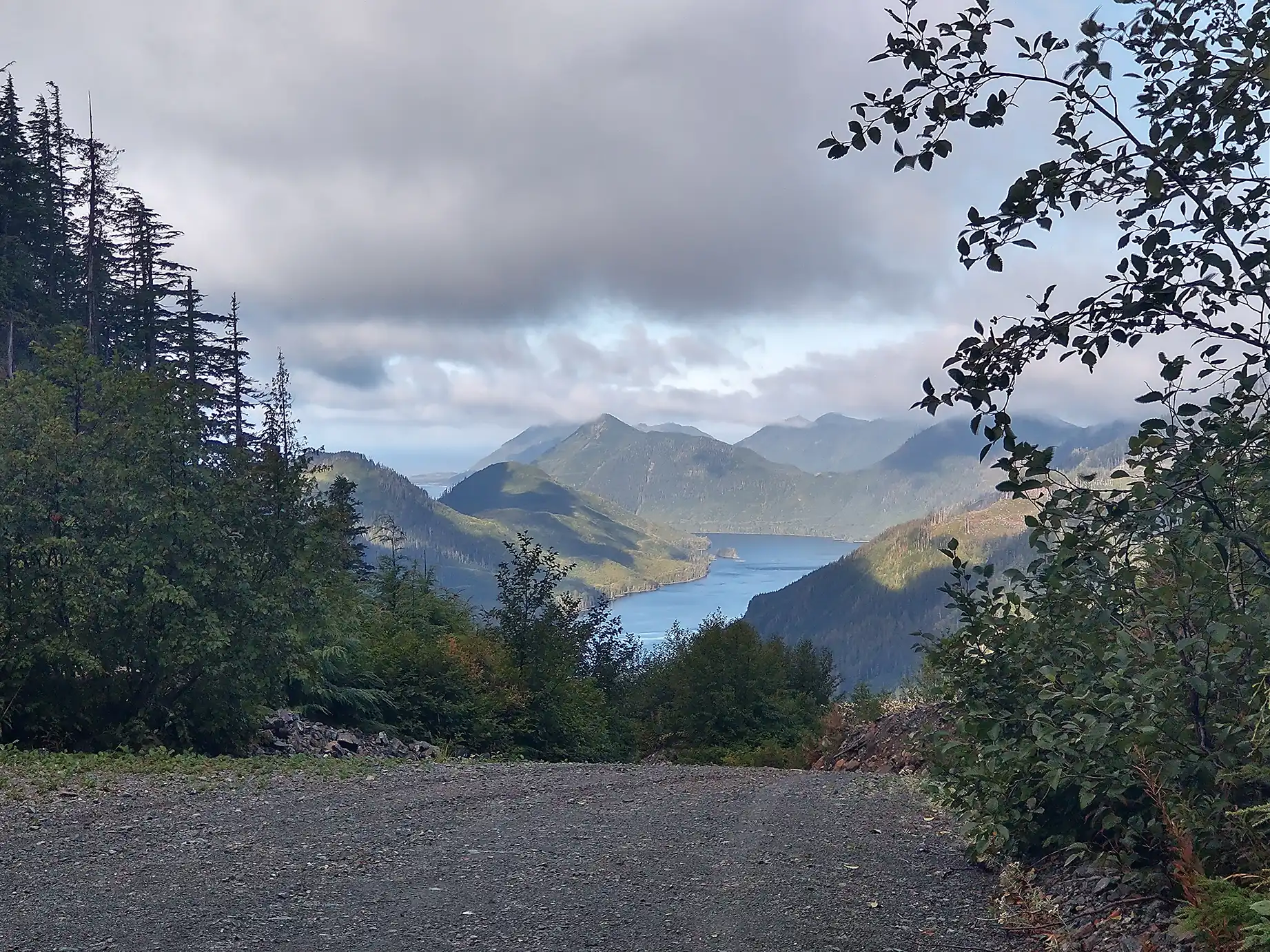
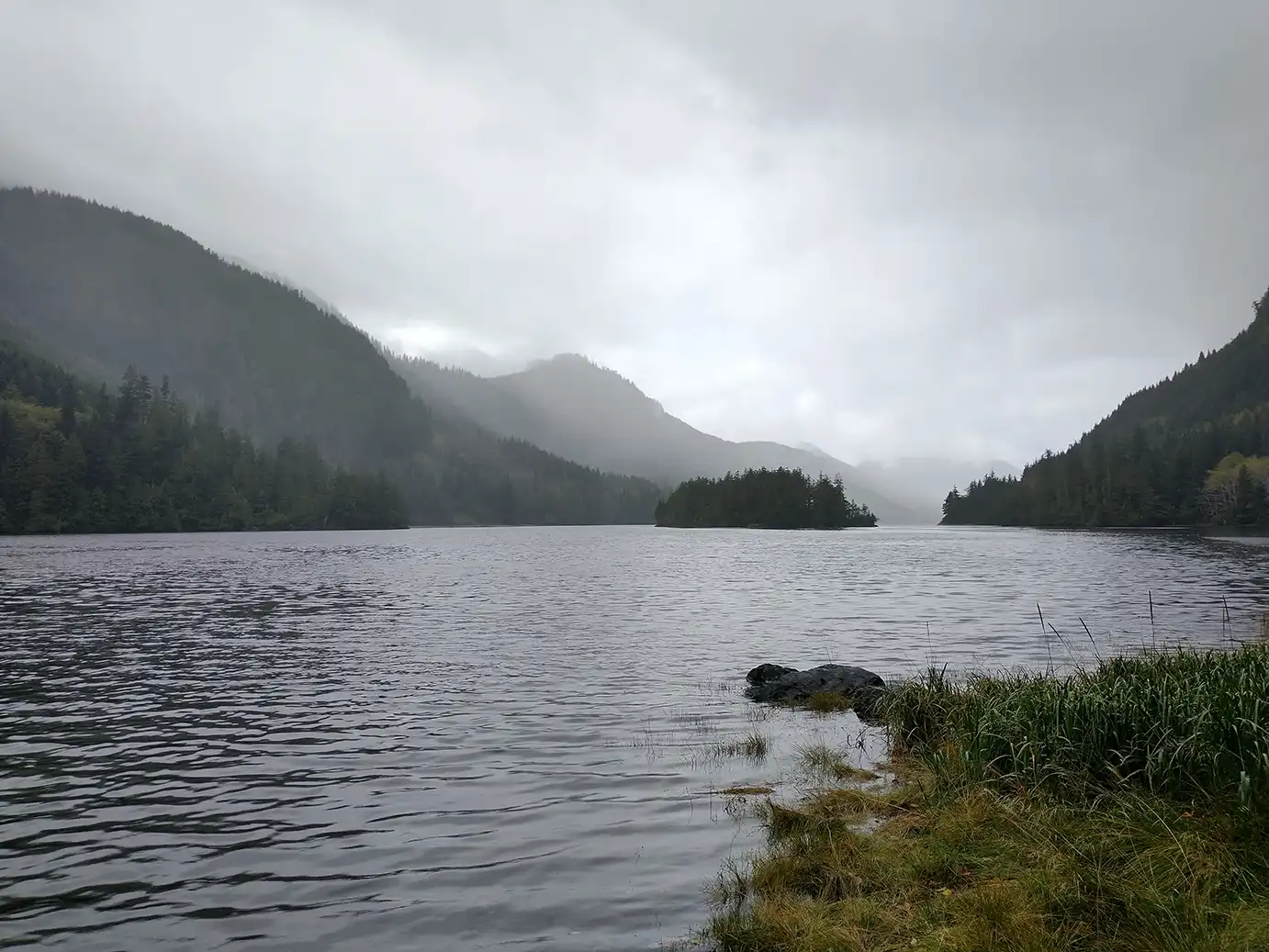
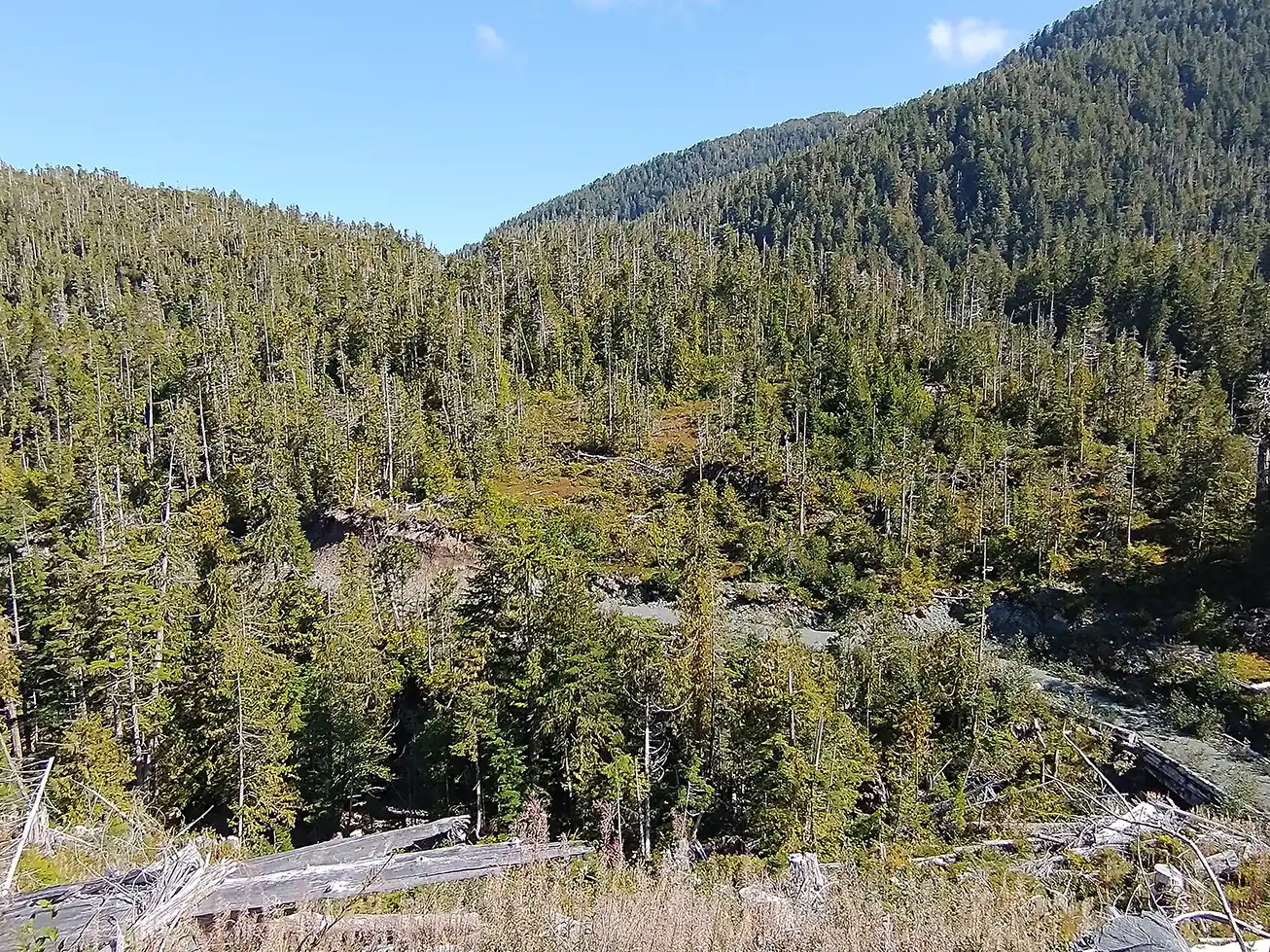
An extensive property for substantial exploration potential.
New Geological Understanding
Fresh insights pave the way for innovative exploration strategies
Year-Round Exploration
Allows for continuous operations, maximizing productivity.
Advanced Historical Work
Previous explorations provide a solid base for further investigations
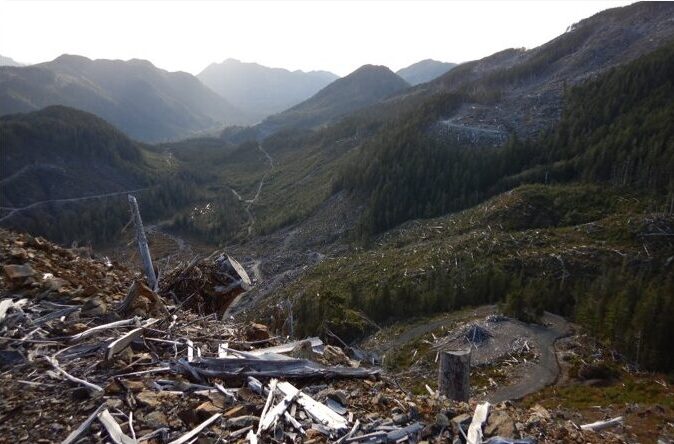
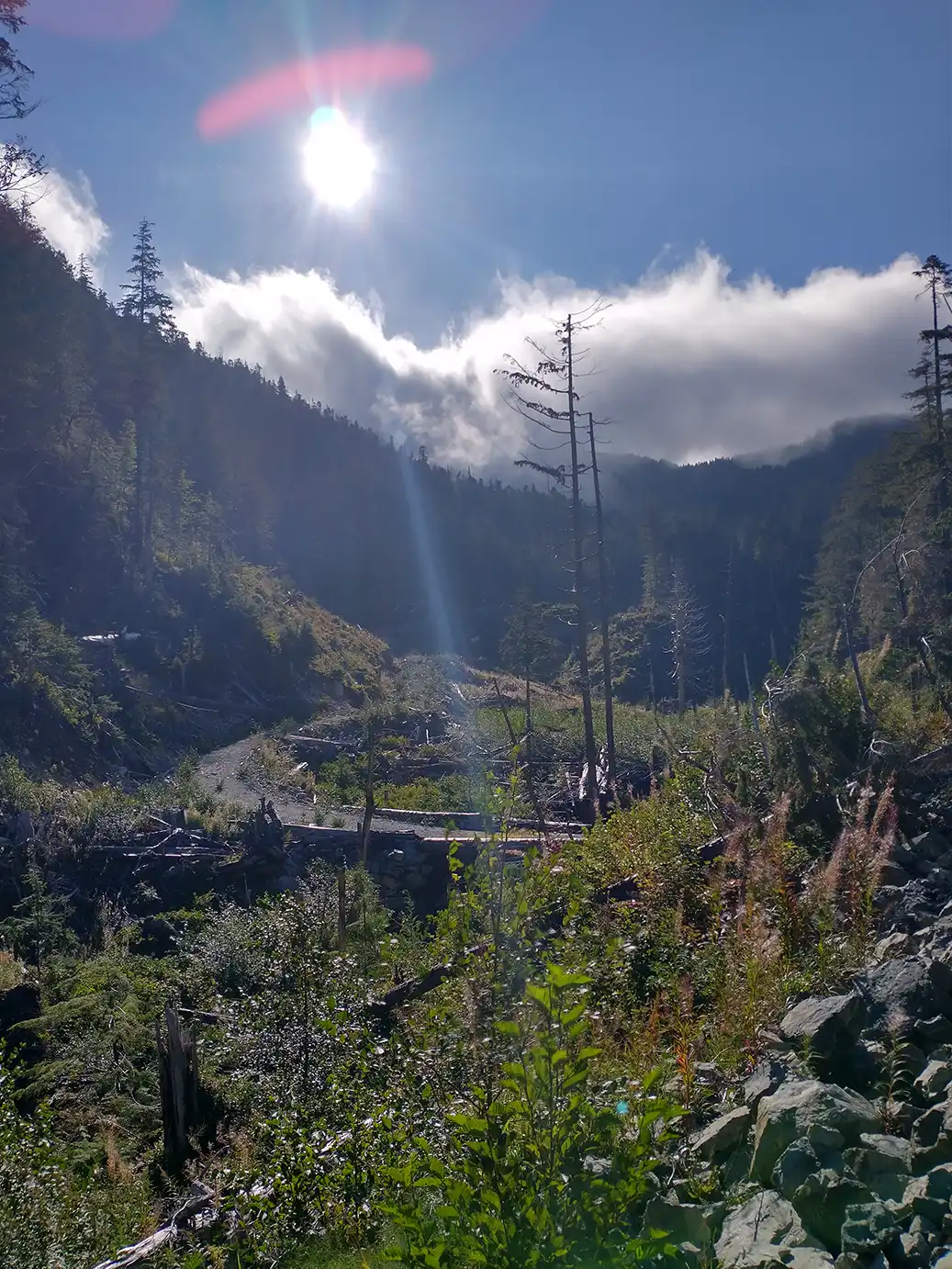
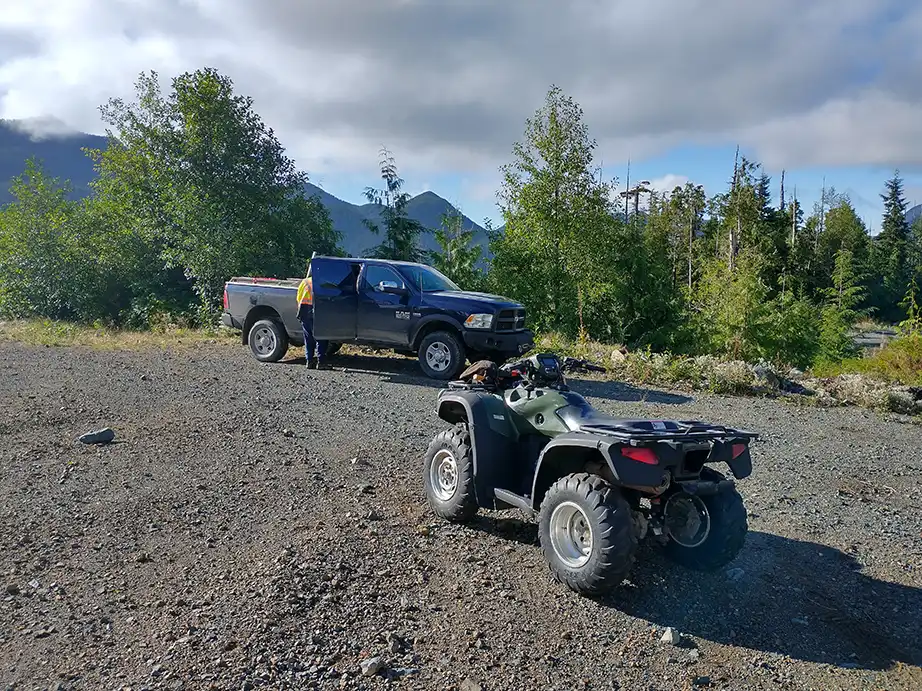
Excellent Access & Infrastructure
Previous explorations provide a solid base for further investigations.
Established Road Networks
Ports for Resource Transportation
Clean Power Resources for Sustainable Operations
A Hub of Rich Resources
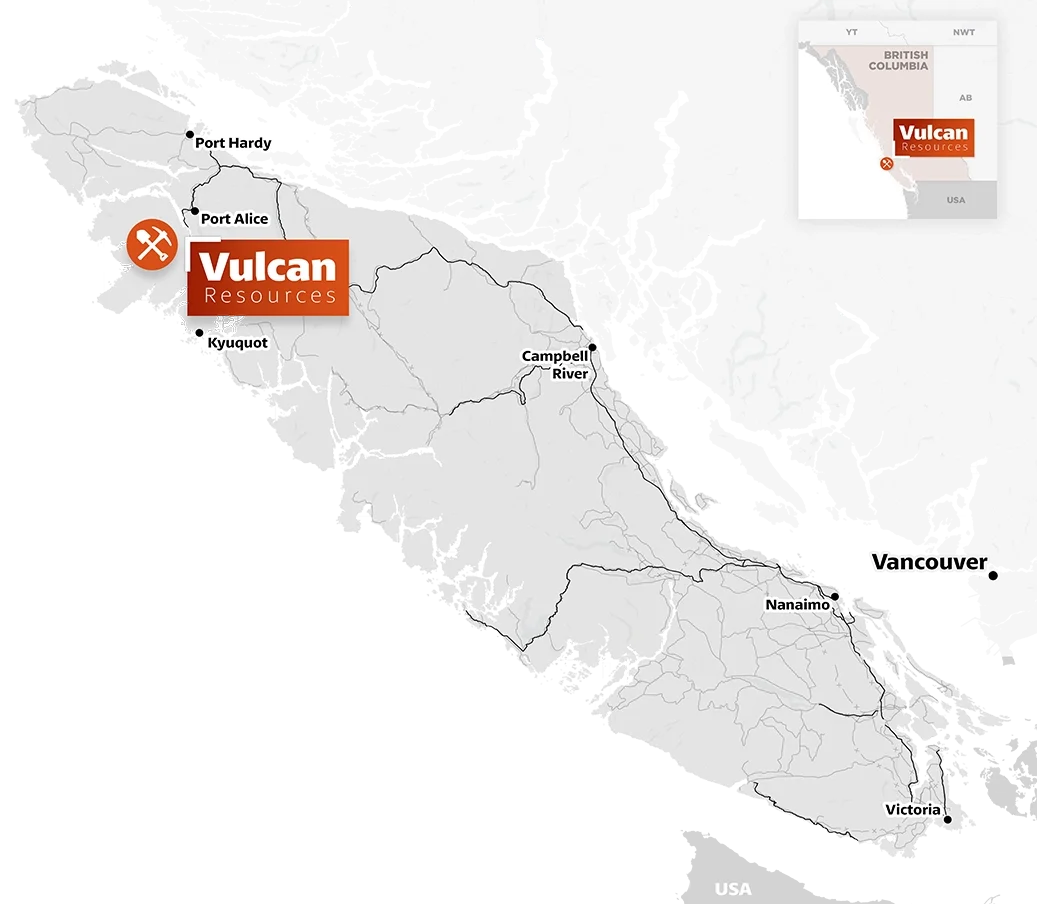
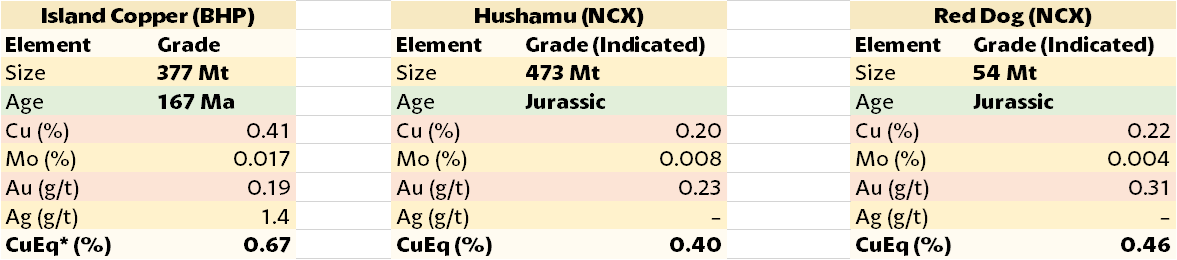
Renowned for its resource-rich lands, Northern Vancouver Island boasts extensive historical and current forestry operations, along with significant copper production from the Island Copper Mine (BHP 1971-1995).
Notable active exploration programs and ongoing developments are led by Northisle Copper and Gold, Coast Copper, and Arcwest.
The Quatsino First Nations have modern policy and a history of accommodating respectful and sustainable exploration and mining activities within their lands
The Future of Porphyries in B.C.
Emerging
Upper Miocene Magmatic Trend
A newly recognized & underexplored magmatic trend and mineralization has been identified, representing B.C.’s youngest known porphyry belt.
The Klaskish Plutonic Suite (Klakish River) originated from plate-edge effects created by the subduction of the Juan de Fuca plate around 7 to 4.6 Ma.
Initial indications suggest an adakite composition to the Klaskish River and Lois Plutons. Adakite rocks suggest fertile source melt conditions with studies characterizing 43 large – scale Au-Ag-Cu-Mo porphyry deposits worldwide found that 38 are associated with adakites.
Exploration Target
Porphyry mineralization with Vancouver Island Gold Grades and Upper Miocene Size
Established Jurassic-aged (200-145 Ma) porphyry deposits on Northern Vancouver Island are endowed with moderate gold mineralization.
Upper Miocene (10-4 Ma) is a prolific time period of giant porphyry deposit formation in Central Chile and contiguous Argentina
Strong potential for porphyry-style Cu-Mo-Au mineralization in either the Miocene adakitic Klaskish Intrusives or the Jurassic Island Intrusives within the large NIC Property
A Rich History of Exploration, Great Future Potential
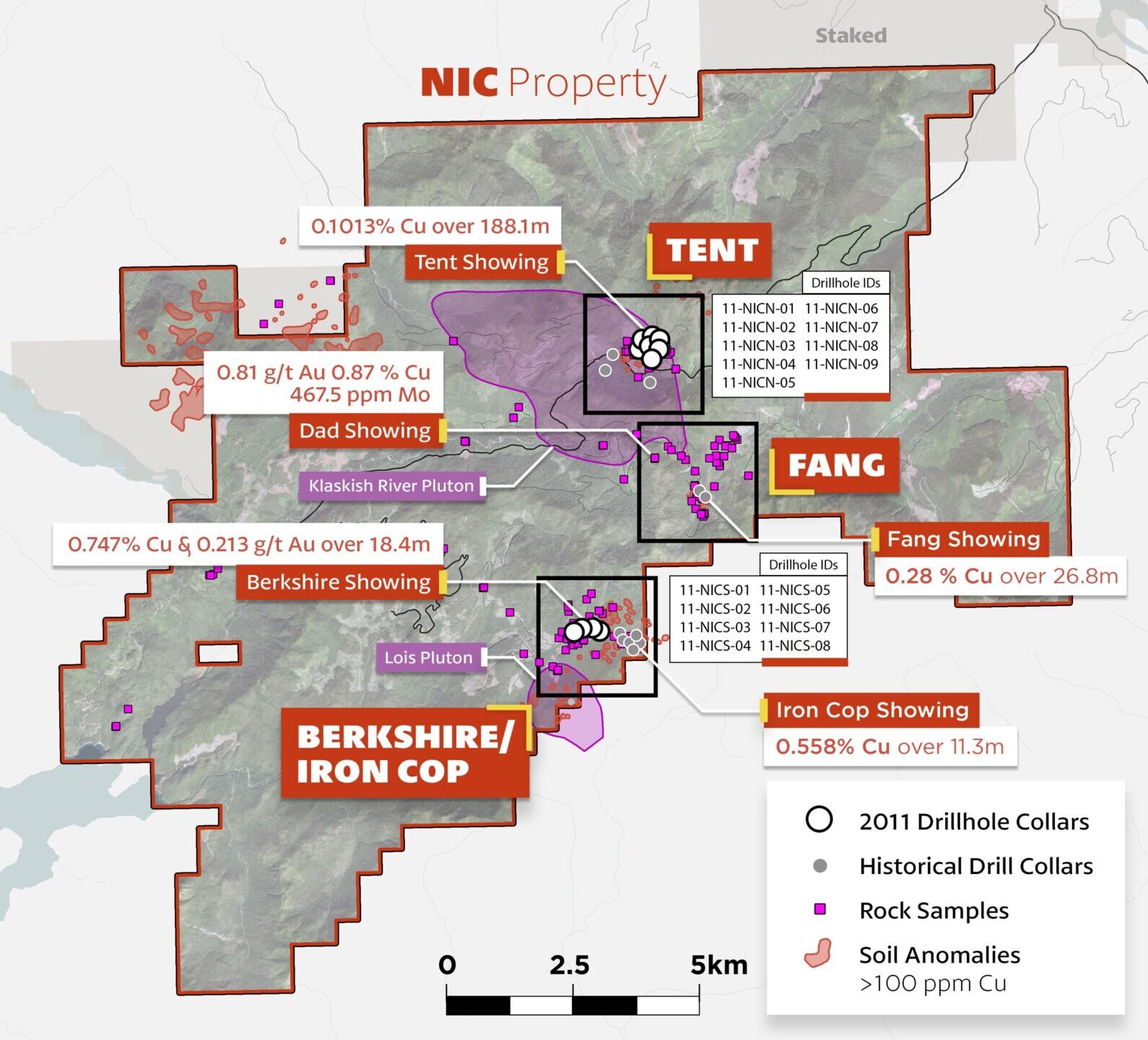
The NIC Property has a rich history of exploration, with encouraging historical results especially within its three main target areas.
Notably, road access only became possible in ~2001, opening up new exploration regions within the property and providing a significant advantage.
Tent Target Area Exploration Opportunities
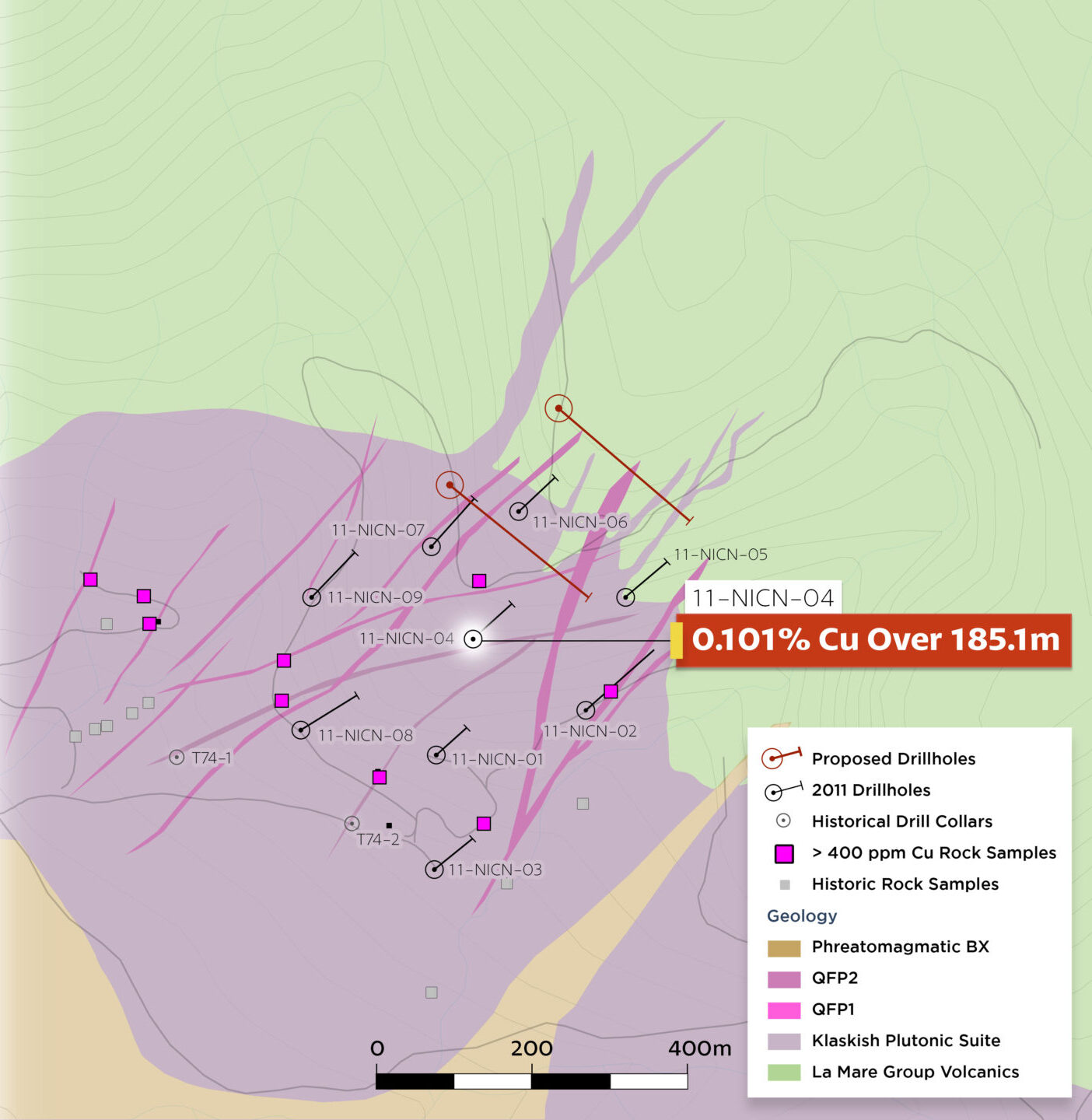
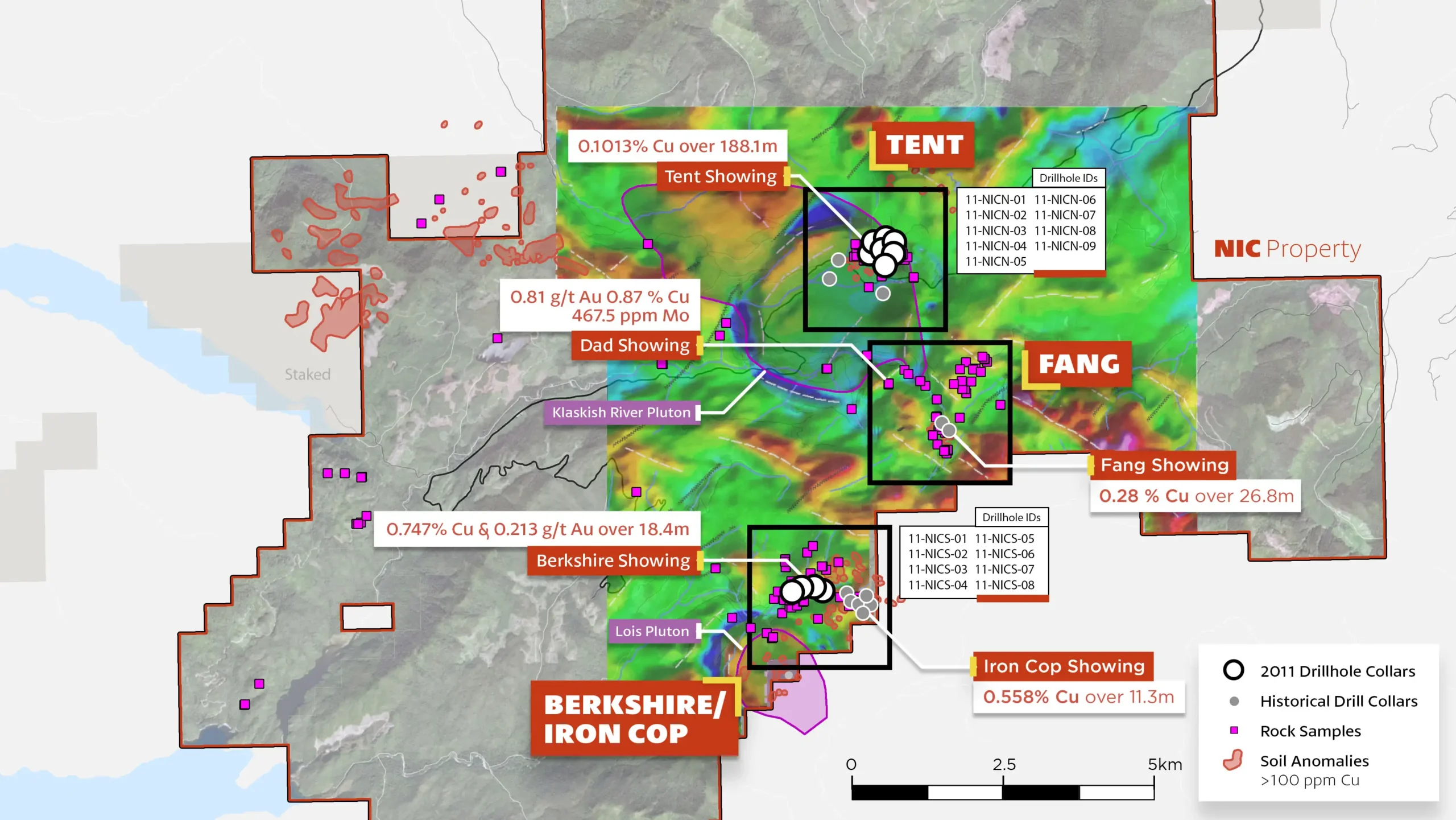
Compliance Energy’s 2011 drilling uncovered porphyry-style mineralization, with 0.101% Cu over 185.1m in drill hole 11-NICN-04.
Recent Mapping by Teck (2021) revealed that mineralization is linked to a northeast-trending dyke swarm, in the same orientation as the 2011 drillholes.
Historical results and recent geological insights at the Tent Target Area, offer exciting opportunities for the continued exploration and potential discovery of valuable mineral resources.
There is a clear opportunity to potentially expand known mineralization through drilling perpendicular to the mapped dykes at the Tent Target Area
Exploration along promising magnetic features within and adjacent to the Klaskish pluton
Fang/Wilf Target Area - Exploration
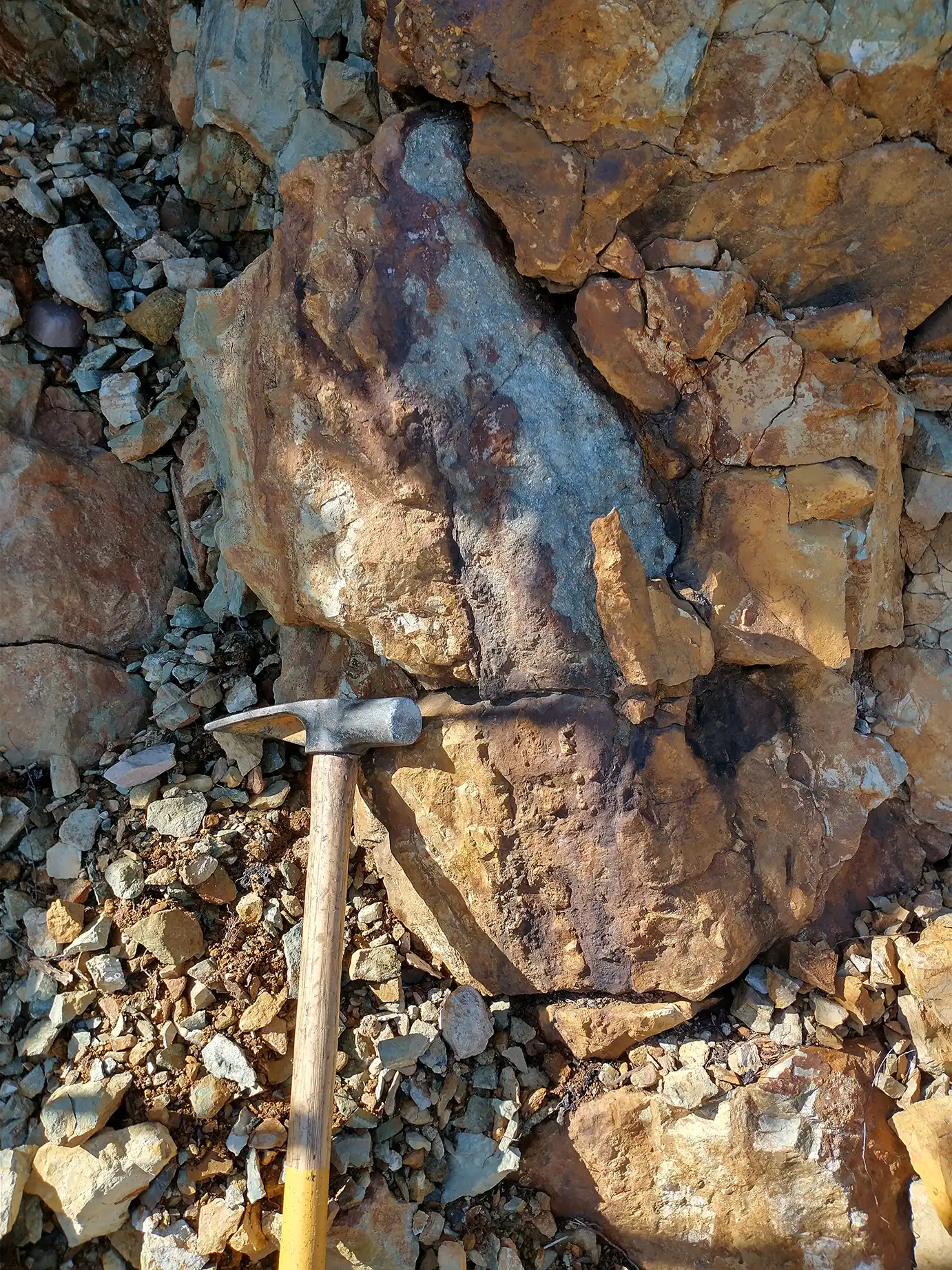
Historical work in 1974, 1984, and 2010 outlined numerous samples anomalous in Cu-Mo-Au over a broad area.
A recent short visit to the area in 2022 discovered new occurrences, including the DAD Showing which was found in a new road-Cut
The Fang/Wilf Target Area is southeast of the Klaskish Pluton as mapped by the BCGS. Historical operators mapped and describe the Klaskish pluton to extend through this target and continue to the southeast.
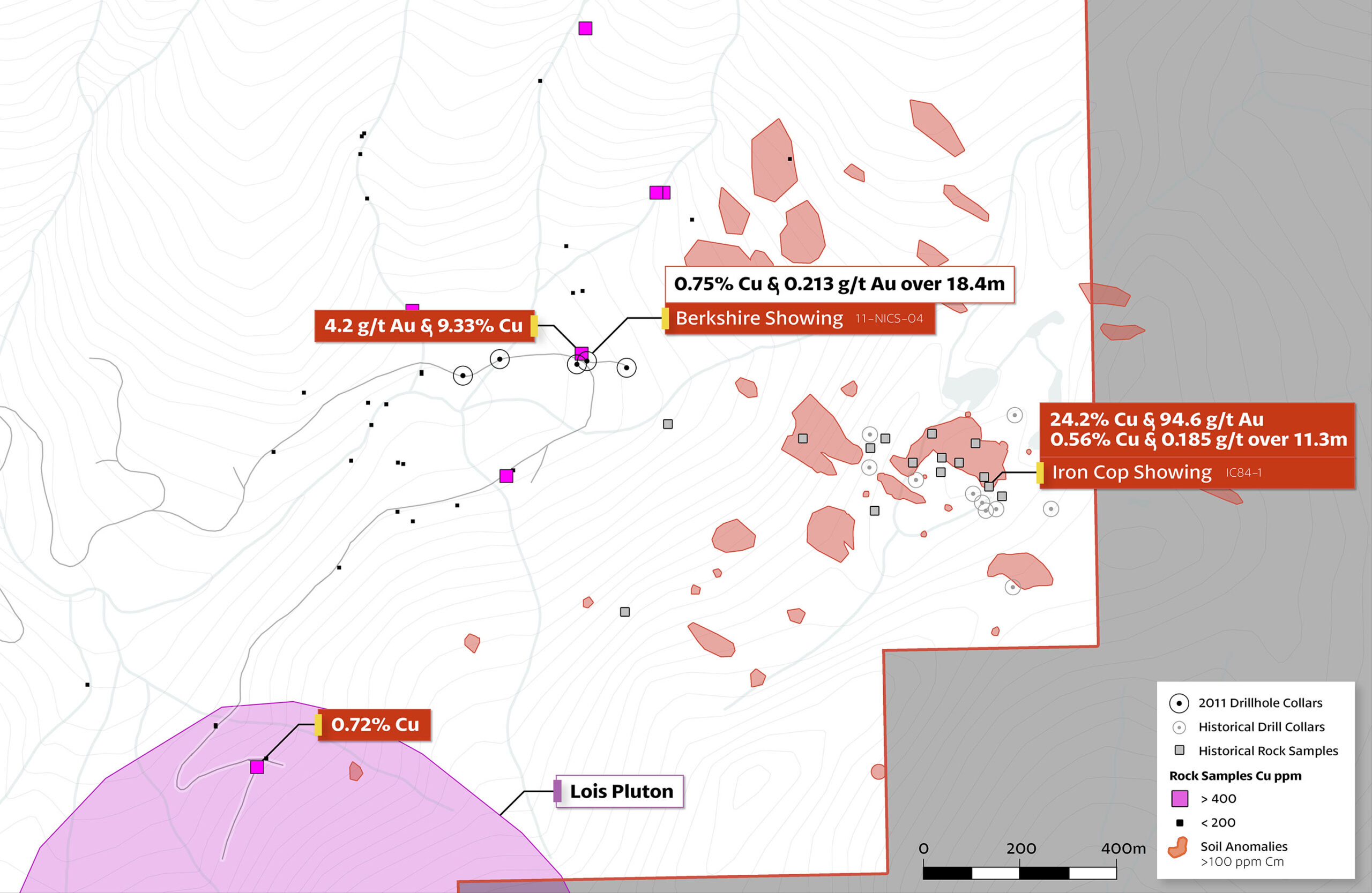
The Berkshire/Iron Cop Target Area is positioned in the southern segment of the NIC Property and northeast of the Late Neogene Lois Pluton.
Iron Cop Showing:
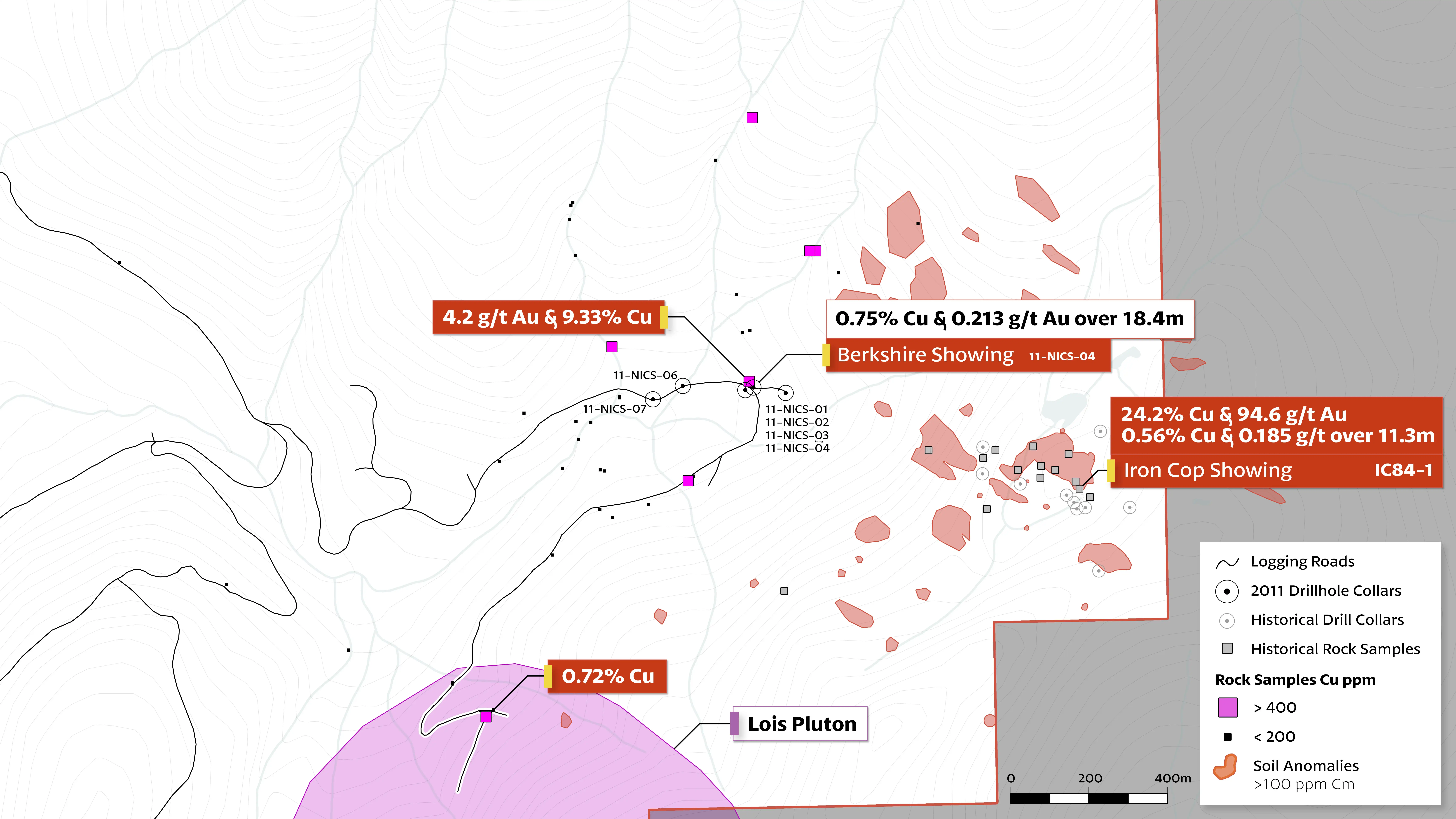
Originally discovered by Rio Tinto in the 1960s and further examined by Brinco in 1984 mineralization hosted in quartz veins with samples returning up to 24.2% Cu and 94.6 g/t Au. Notable drillhole intercepts include 0.558% Cu over 11.3 m (IC84-1) and 0.341% Cu over 25.4 m (IC84-2). Area is open for further exploration as there has been no reported work since 1991.
Berkshire Showing
Situated roughly 800 meters west of Iron Cop, the Berkshire Showing was discovered in 2010 and followed up with a small IP survey. Drilling in 2011 intersected 0.747% Cu and 0.213 g/t Au over 18.4 m (11-NICS-04). Further exploration is required to follow up on existing results which indicate substantial copper and gold mineralization.
NIC Property Magnetics 2010 Magnetic Survey
Magnetite creation and destruction in near-concentric alteration zones of porphyry systems often display circular anomalies in magnetic data. Both the Klaskish River Pluton and the Lois Pluton exhibit encouraging magnetic features in concert with anomalous Cu-Mo-Au samples
Reduced to the Pole Magnetic Field Intensity (Linear Color Distribution)— Major Lineament Overlay
We use cookies to ensure that we give you the best experience on our website. If you continue to use this site we will assume that you are happy with it.